The Five Areas of Child Development
The Five Areas of Child Development
Child development is often divided into five interconnected areas. Growth in one area frequently supports growth in another, which is why a balanced early childhood program focuses on the whole child .1. Physical Development
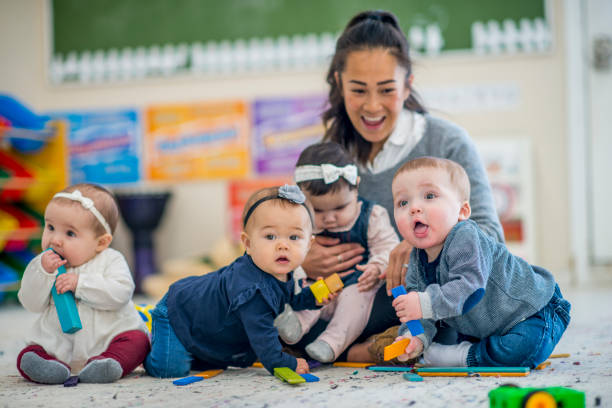
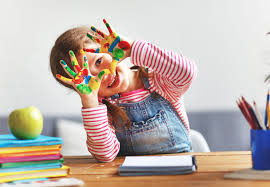
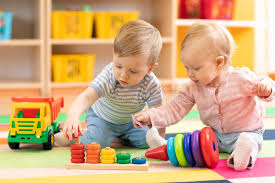
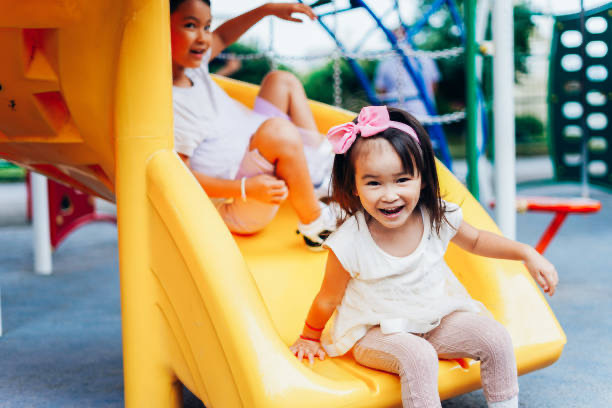
Physical development includes both gross motor skills and fine motor skills. Gross motor skills involve large muscle movements such as crawling, walking, running, jumping, climbing, balancing, and throwing a ball. Fine motor skills involve the smaller muscles in the hands and fingers that children use for activities like holding crayons, stacking blocks, buttoning clothing, cutting with scissors, and writing. Providing children with daily opportunities for active play and hands-on learning helps strengthen these important skills.2.Cognitive Development
Cognitive development refers to how children think, learn, remember, solve problems, and understand the world around them. Young children develop cognitive skills through exploration, asking questions, experimenting, playing, and engaging in meaningful conversations. Activities such as puzzles, building blocks, sorting games, science exploration, storytelling, and pretend play all help strengthen early thinking skills.3.Language and Communication Development
Language development begins long before children speak their first words. Children learn language by listening, observing, interacting with others, reading books, singing songs, and participating in everyday conversations. As vocabulary grows, children become better able to express ideas, ask questions, follow directions, and communicate with confidence. Developing strong communication skills during the early years creates the foundation for future reading, writing, and academic success4.Social and Emotional Development
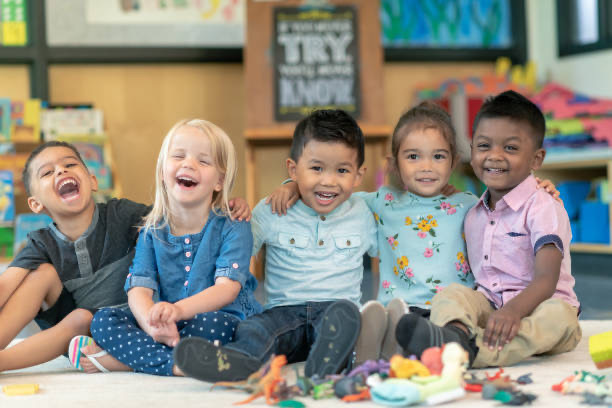
Children also learn how to understand their emotions, build relationships, cooperate with others, and develop self-confidence. Through positive interactions with caring adults and peers, children learn important life skills such as sharing, taking turns, expressing feelings appropriately, solving conflicts, showing empathy, and becoming more independent. These experiences help children develop emotional resilience and prepare them for success both inside and outside the classroom.5. Adaptive (Self-Help) Development
As children grow, they begin learning everyday life skills that promote personal independence. This domain is all about empowering children to manage their own needs.
Adaptive skills include feeding themselves, washing hands, putting on shoes and coats, cleaning up after activities, using the restroom independently, following daily routines, and making simple choices. Encouraging children to practice these everyday responsibilities helps build confidence while preparing them for preschool and kindergarten environments.